
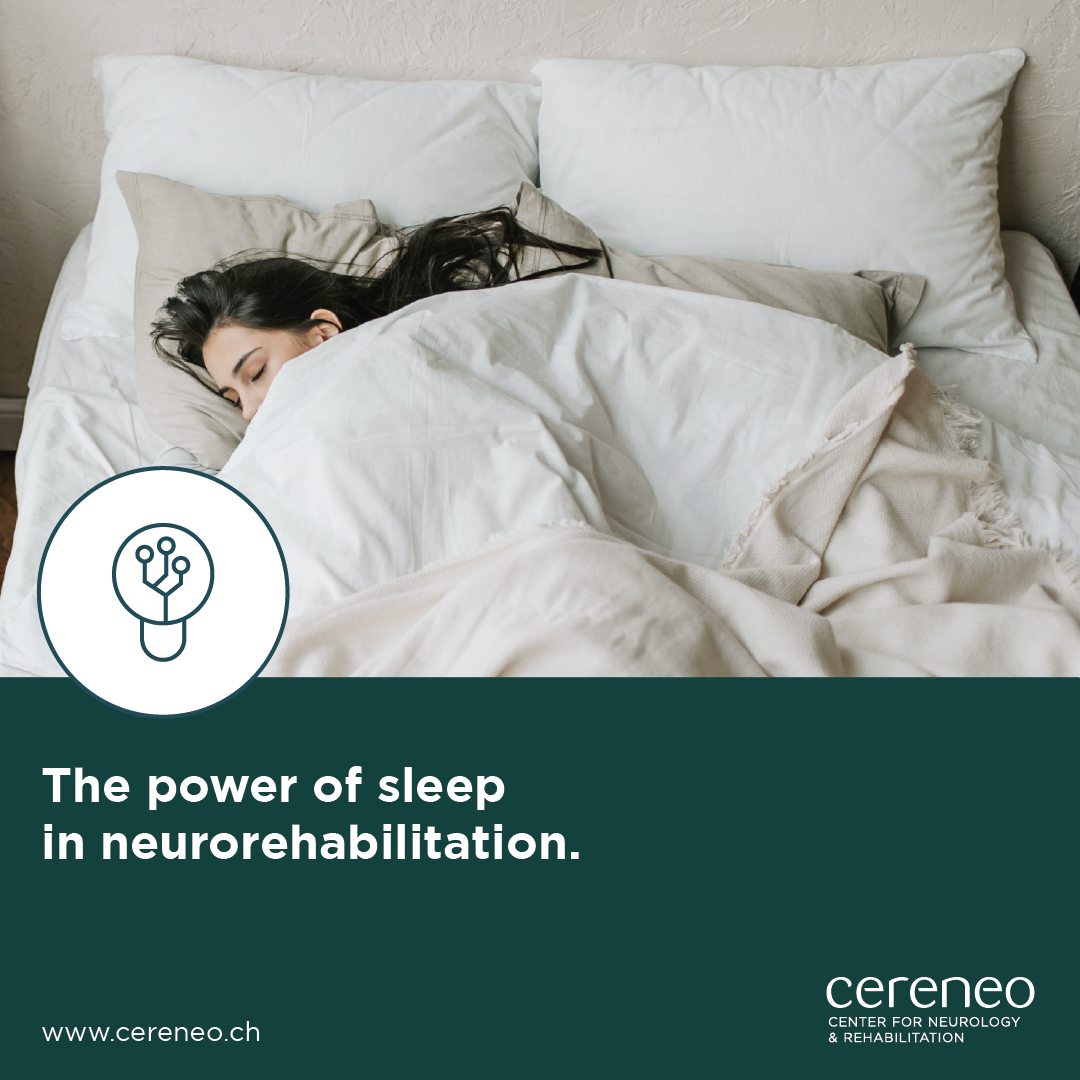
Although we spend almost one third of our lives asleep, sleep medicine is still a relatively young field of science. However, our sleep is a crucial basis for our physical and mental health – regardless of whether we are ill or healthy.
Patients with neurological impairments very often suffer from sleep disorders, which has a negative impact on mood, motivation, rehabilitation progress and well-being and can also lead to a long-term risk of depression. Good and sufficient sleep is therefore important for performance and motivation. In addition, healthy sleep is a basis for the neuroplasticity of our nervous system: the ability to build new neuronal connections and thus adapt to changing conditions depends, among other things, on the length and quality of night-time sleep.
Our sleep is a complex biological process that is divided into different phases. These alternate in so-called sleep cycles, which last around 90 minutes in an adult. We usually go through 4-6 such cycles per night.
Sleep is divided into two main types:
Non-REM sleep: This part of sleep is divided into three phases from light relaxation to deepest recovery and represents about 75 to 80% of our sleep time. Deep sleep or slow-wave sleep (SWS) also takes place in this phase. Slow-wave sleep is the deepest and most restorative sleep. Here, brain activity slows down, the body regenerates, growth hormones are released and immune functions and cell repair are activated. Slow-wave sleep is therefore particularly important for physical recovery and brain regeneration.
REM sleep: In this phase, which accounts for around 20-25% of sleep time, brain activity is similar to being awake, while the muscles are relaxed and almost completely paralysed. This phase is characterised by vivid dreams and the consolidation of emotional and cognitive memories.
Slow-wave sleep in particular is important for motor and cognitive rehabilitation after brain injuries such as a stroke or traumatic brain injury.
Therapeutic approaches can also help to improve sleep:
Transcranial brain stimulation:
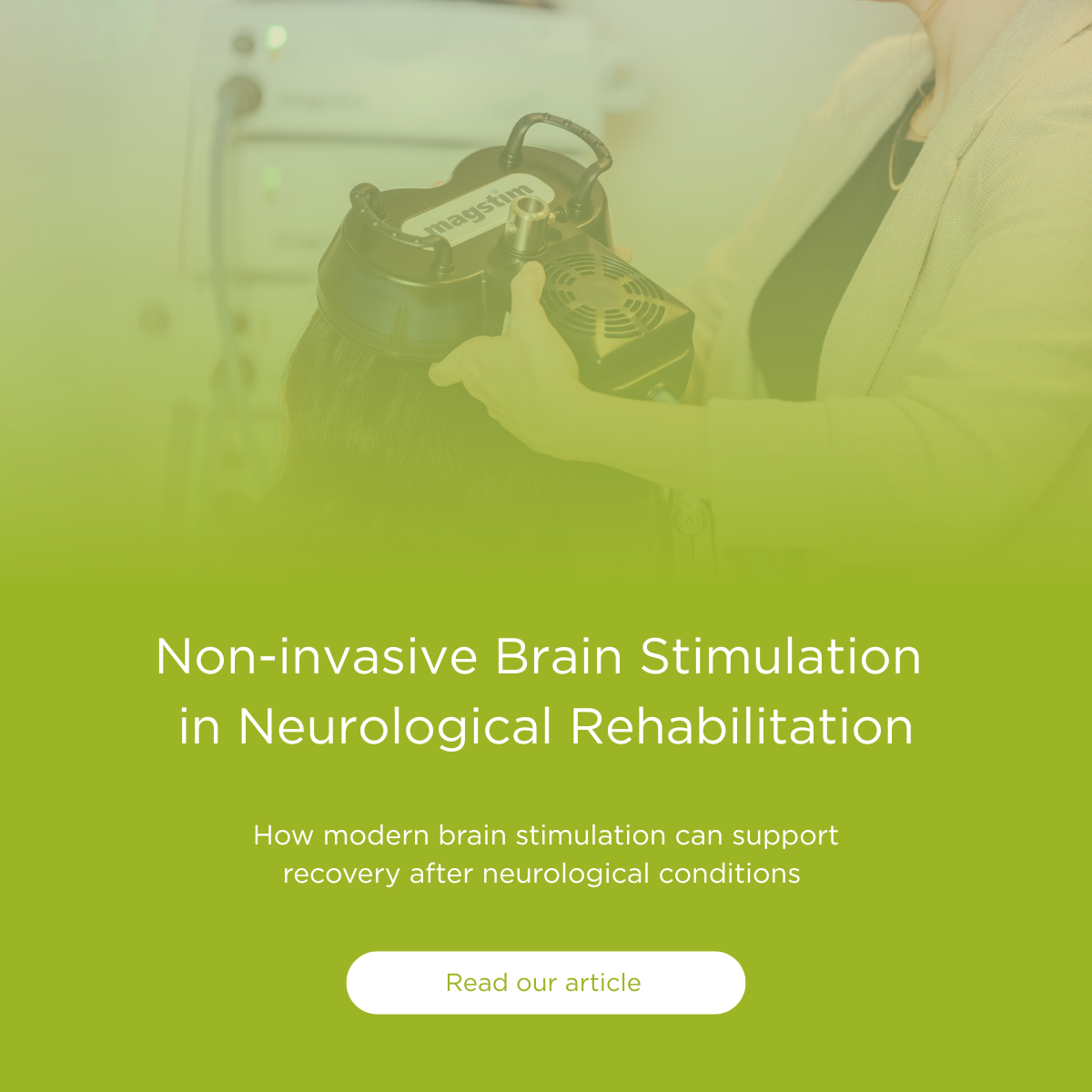
Technologies such as transcranial magnetic stimulation (TMS) or electrical stimulation could be targeted to promote sleep and brain plasticity.
Behavioural therapy:
Cognitive behavioural therapy for sleep disorders (CBT-I) can help improve sleep efficiency and improve sleep problems.
Sleep laboratory:
As part of an inpatient neurorehabilitation at cereneo, we conduct a sleep lab night for patients with abnormalities in their medical history and/or screening to assess the presence of organic sleep disorders (e.g. sleep apnoea).
Patients and their relatives can support their recovery by optimising their sleeping environment and adopting good sleeping habits:
Research studies emphasise the importance of sleep as a key component in recovery from brain injury. While scientific advances are making new therapies possible, simple everyday measures can also improve sleep and thus contribute to recovery. A combination of modern neurorehabilitation and sleep-promoting strategies can maximise the long-term therapeutic outcomes of neurological patients.