
When winter has a firm grip on us with its shorter days and colder weather, many people notice changes in their mood and energy levels. For some, these seasonal shifts can have a profound impact on mental health. While mental well-being is crucial for everyone, it holds particular significance for individuals with neurological conditions such as stroke, or Parkinson’s disease.
Seasonal Affective Disorder (SAD) is a form of depression that typically occurs in the winter months due to reduced exposure to sunlight. Even for those who do not experience SAD, winter can bring feelings of lethargy, sadness, or increased stress. This can be exacerbated by holiday pressures, disrupted routines, and limited opportunities for outdoor activities.
This holds particularly for people with neurological conditions. The interplay between neurological symptoms and mood can create challenging cycles that may become difficult to break. For instance, stroke survivors may face reduced mobility, which limits their ability to engage in activities that boost mental health or people with Parkinson’s disease may experience worsening motor symptoms due to stress or reduced physical activity, which can further impact mood.
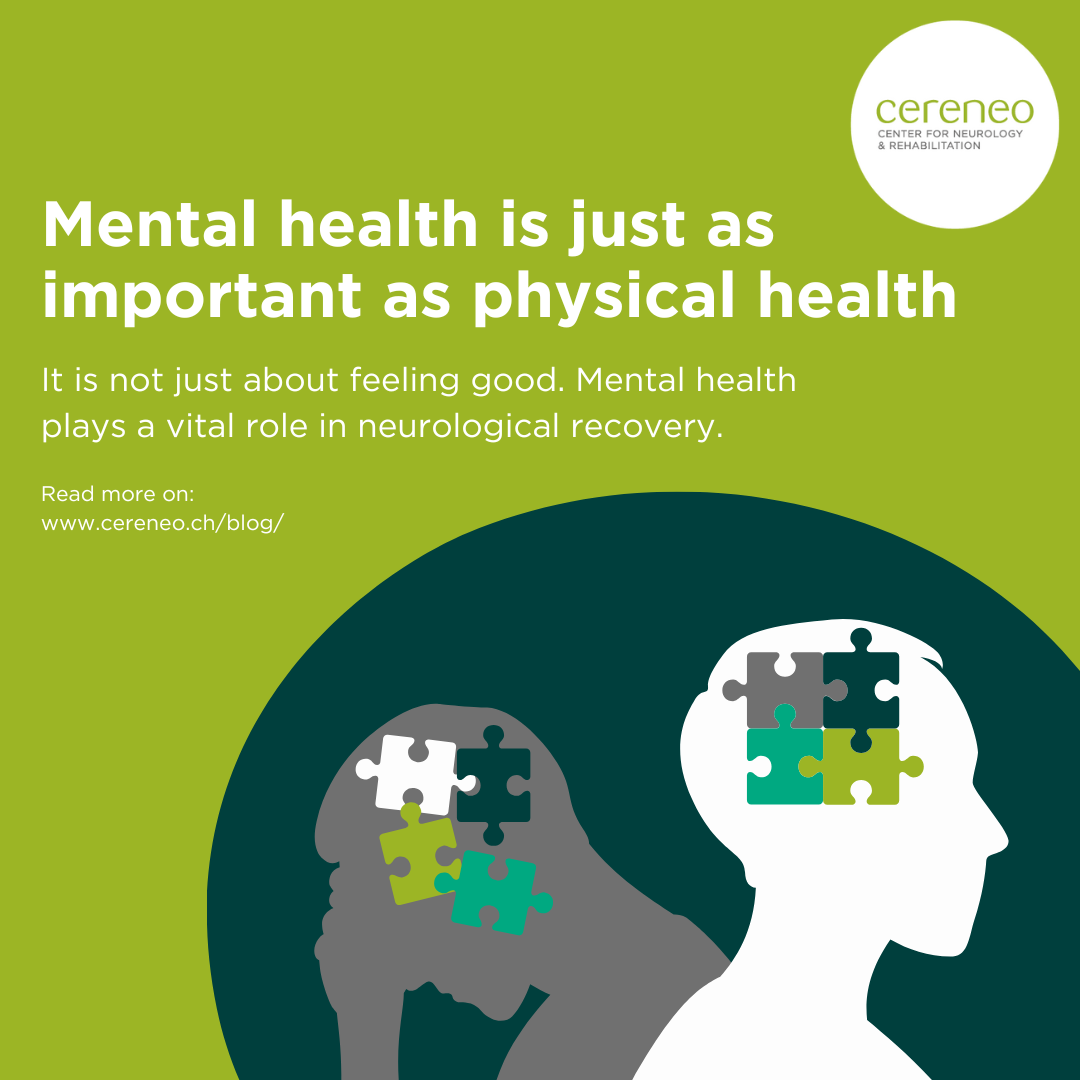
Mental health is not just about feeling good; it plays a vital role in physical health and recovery. For individuals with neurological conditions, maintaining mental well-being can:
Short days mean less sunlight, which can affect mood and energy. Try to:
Exercise is a proven mood booster, and it’s particularly important for managing neurological conditions. Options include:
Isolation can intensify feelings of sadness. Combat this by:
Stress management techniques can significantly improve mental health. Consider:
Lack of sleep has been associated with an increased risk of depression and other mental health effects. In addition, a healthy amount of sleep can improve your mental and emotional resilience:
Don’t hesitate to consult a mental health professional. Online therapy services can be especially beneficial, offering flexibility and convenience. Therapists experienced in working with neurological conditions can provide tailored strategies to support your mental health. At cereneo, our medical experts offer this support for our patients – not only in the clinic but also via online therapy.
Winter may present unique challenges, but it also offers opportunities for reflection, connection, and growth. With the right strategies, it’s possible to navigate these months while prioritizing mental health. For those with neurological conditions, this focus is not just about feeling better but about optimizing recovery and quality of life.
If you or a loved one need additional support, consider reaching out to specialized online therapy services. Remember, mental health is just as important as physical health – especially during the winter months.