
Polyphenols are plant-based compounds with powerful antioxidant and anti-inflammatory properties and are found in a variety of foods. Epidemiological studies and associated meta-analyses strongly suggest that long-term consumption of diets rich in plant polyphenols could offer a decreased risk of developing cancers, cardiovascular diseases, diabetes, osteoporosis, neurodegenerative diseases, and aging-related issues.
Polyphenols may play a crucial role in protecting the brain from aging and neurodegenerative diseases like Alzheimer’s and Parkinson’s. Their neuroprotective effects stem from several mechanisms:
Key Mechanisms of Protection:
Reducing Oxidative Stress: Polyphenols neutralize free radicals (Def.: unstable molecules in the body that can damage cells) that cause oxidative damage, which is linked to aging and neurodegeneration.
Anti-Inflammatory Effects: Chronic inflammation in the brain is a hallmark of Alzheimer’s and Parkinson’s. Polyphenols can reduce inflammation, protecting brain cells.
Enhancing Neuroplasticity: They promote the growth and survival of neurons, enhancing brain plasticity, which is critical for learning and memory.
Specific Examples:
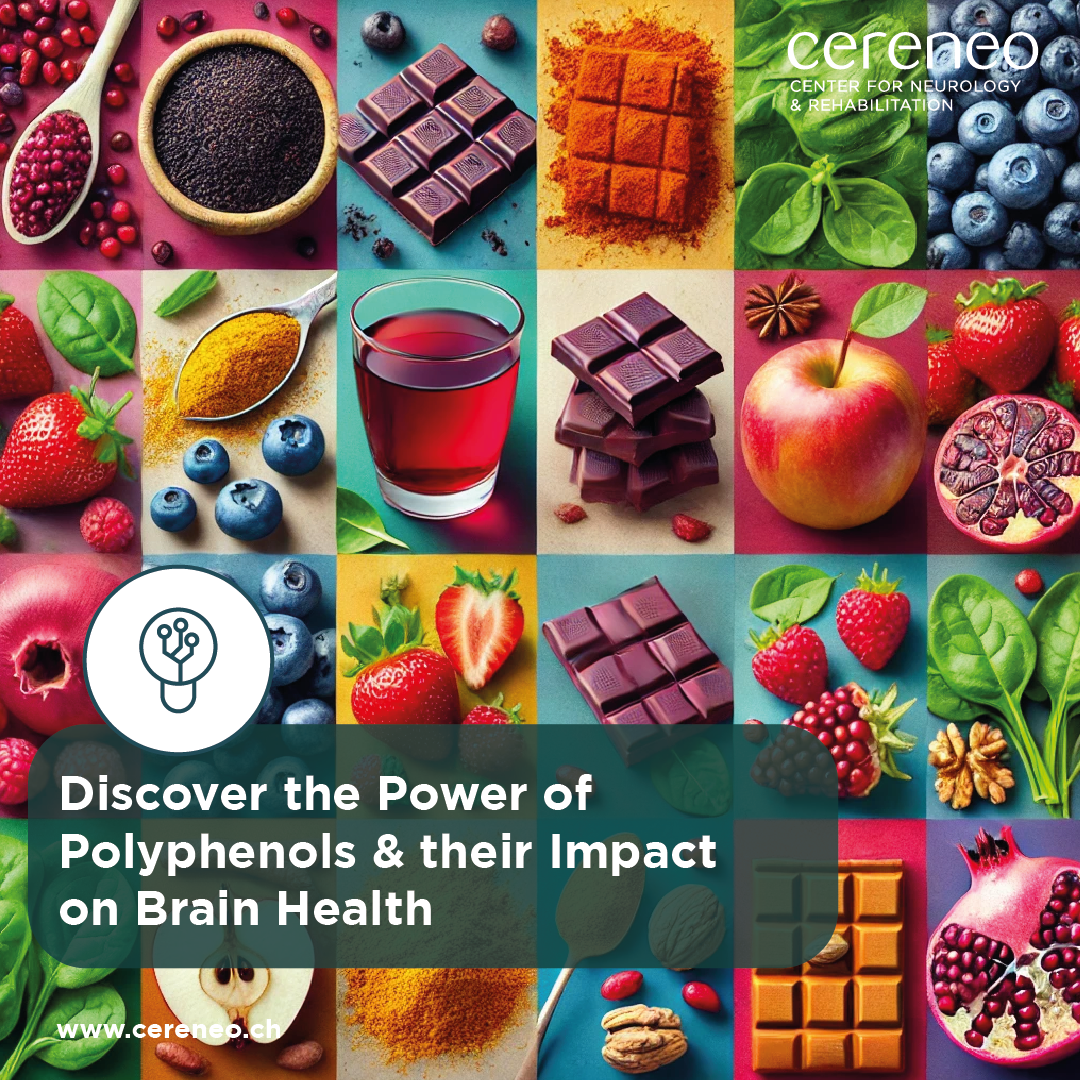
Flavonoids in Berries: Blueberries, pomegranate seeds and strawberries are rich in flavonoids, which improve memory and cognitive function. Studies suggest they may delay cognitive decline.
Epicatechin in Cocoa: Found in dark chocolate, epicatechin enhances blood flow to the brain and may protect against stroke and dementia.
Curcumin in Turmeric: Curcumin crosses the blood-brain barrier and may reduce beta-amyloid plaques associated with Alzheimer’s disease.
Polyphenols help slow down brain aging by maintaining cellular health and preventing cognitive decline associated with age.
Resveratrol in Red Wine (small doses) and Grapes: Resveratrol activates sirtuins, proteins associated with longevity and DNA repair. It helps preserve cognitive function and may protect against age-related cognitive decline.
Catechins in Green Tea: Green tea polyphenols have been linked to improved brain function and reduced risk of neurodegenerative diseases by protecting neurons from age-related damage.
Since cardiovascular health is closely tied to brain health, polyphenols can indirectly benefit the brain by improving blood circulation and reducing the risk of stroke.
Quercetin in Onions and Apples: Quercetin lowers blood pressure and improves blood vessel function, enhancing oxygen and nutrient delivery to the brain.
Tea Polyphenols: Black and green tea improve endothelial function, ensuring proper blood flow to the brain.
Anti-Cancer: Polyphenols may reduce the risk of cancer by inhibiting the growth of cancer cells and promoting apoptosis (cell death).
Anti-Diabetic: Polyphenols improve insulin sensitivity and regulate blood sugar levels, reducing the risk of type 2 diabetes.
Gut Health: They support beneficial gut bacteria, which influence both the gut flora and brain health.
Incorporating these foods into your diet can boost polyphenol intake and enhance brain health:
Polyphenols are vital for brain health, helping prevent neurodegenerative diseases and slowing brain aging. Including polyphenol-rich food in your diet can support cognitive function, protect against heart disease, and enhance overall health ensuring a beneficial brain-healthy lifestyle. If you need advice or would like to talk to a nutrition scientist, you can book a nutrition consultation here.