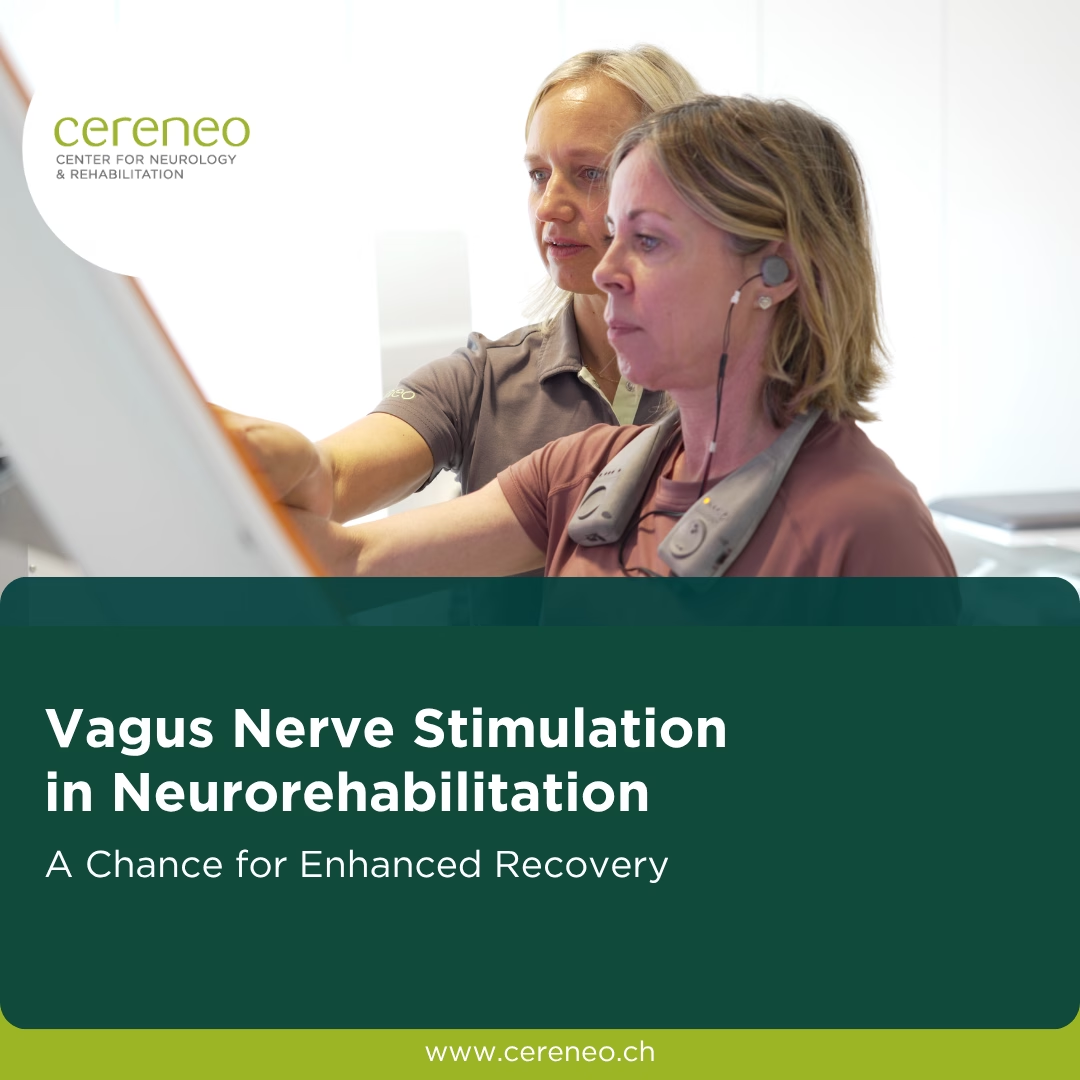
Transcutaneous vagus nerve stimulation (tVNS) is a non-invasive method in which the vagus nerve is stimulated through the skin—usually in the area of the ear. This stimulation acts via the autonomic nervous system and affects various bodily functions. It can be specifically used to support neural regeneration processes.
Unlike invasive VNS, which requires an implanted device, tVNS is performed painlessly and with minimal risk using special electrodes, for example on the outer ear.
In neurological rehabilitation, tVNS is increasingly used as an adjunct therapy—for example, for patients after:
Stimulation typically takes place alongside motor or cognitive training. The goal is to put the brain into a learning-ready state, thereby enhancing the effects of therapy.
In practice, this means: While patients perform a movement or speech exercise, for instance, the vagus nerve is gently stimulated—with the aim of promoting neuroplasticity and supporting reorganization processes in the brain.
Studies show promising results—especially when combined with active therapy. The key potential benefits include:
Non-invasive and suitable for everyday use: tVNS can also be applied at home
Transcutaneous vagus nerve stimulation is an exciting addition to modern neurorehabilitation. It offers a simple, well-tolerated way to enhance the effects of traditional therapies — based on solid scientific evidence. For many patients, this means: an additional opportunity to actively support their recovery.
Our interdisciplinary team supports you with evidence-based, innovative therapy approaches — tailored to your individual goals. Our neurologists are happy to advise you on therapy and rehabilitation options that match your personal needs, in an online consultation.
For tVNS we are partnering with Skaaltec, an ETH-RELab spinoff, designing the SmartVNS system. SmartVNS is an AI-guided movement controlled taVNS device aimed at promoting upper limb recovery for stroke and SCI patients. Our patients are able to use the device themselves and seamlessly integrates into our state-of-the-art rehabilitation practice.