
Did you know that almost half of all cases of dementia could be prevented or at least significantly delayed? With the World Brain Day on 22 July coming up, it is worth taking a closer look at how we can actively promote our brain health – every day, throughout our lives.
For a long time, dementia was considered purely genetic or age-related – but recent studies show that lifestyle, education and social factors play a decisive role. By paying attention to risk factors at an early stage, you can significantly reduce your chances of developing dementia. Prevention is particularly effective in middle age (40–60 years), as this is when subtle changes in the brain begin that can lead to disease later on.
A study published in the journal The Lancet identifies 14 modifiable risk factors that, taken together, could be responsible for up to 45% of all dementia cases:
These factors often affect the brain indirectly – for example, through vascular damage, inflammatory processes or reduced stimulus processing.
Many of these risk factors affect not only the brain but also the cardiovascular system. The good news is that exercising, eating healthily, reducing stress and maintaining social contacts are all good for the heart and brain. Even small changes in everyday life can have a big impact:
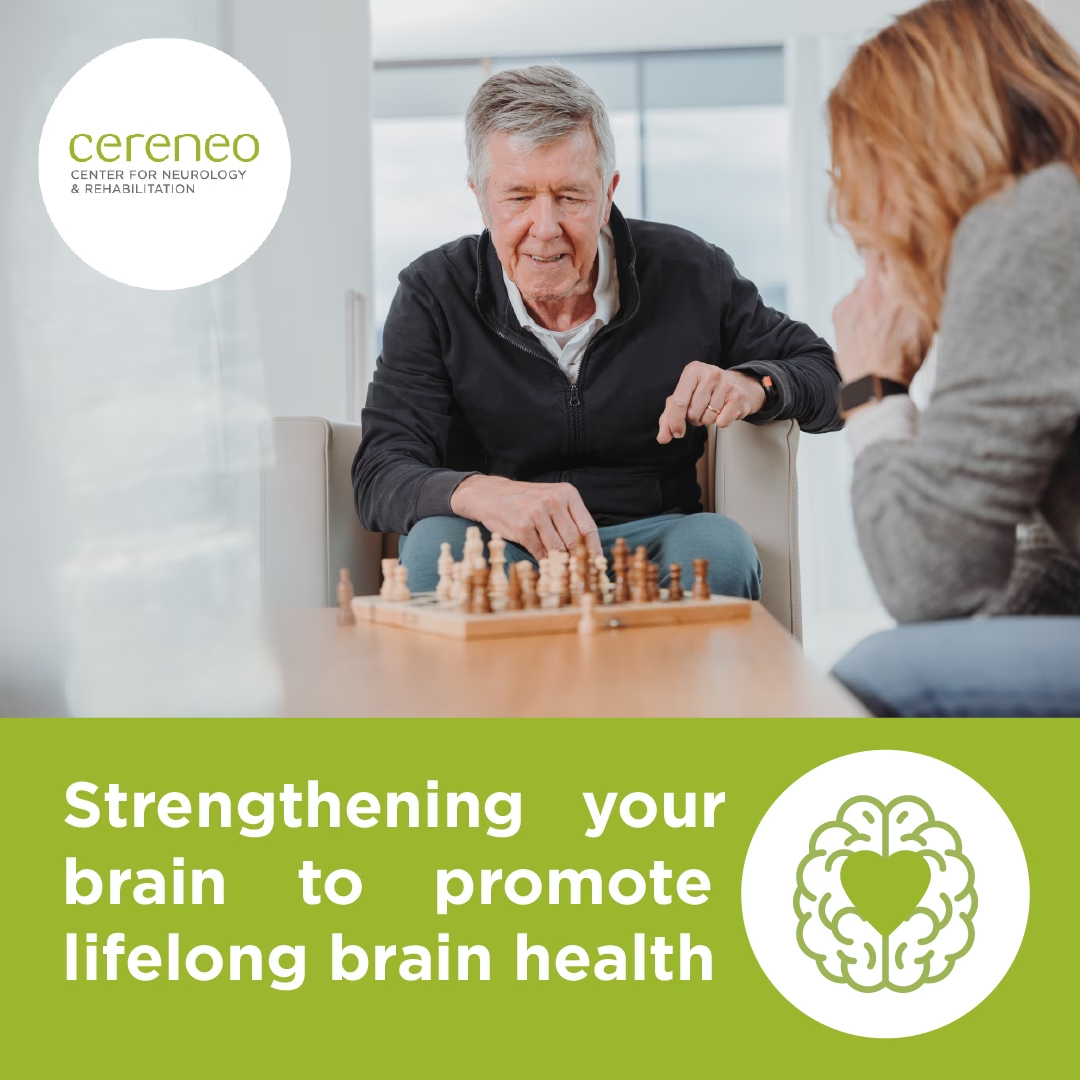
A high level of education not only promotes healthy living conditions – it also seems to create a so-called cognitive buffer. People who engage in intensive mental activity – whether through professional challenges, lifelong learning or personal interests – are able to compensate for pathological changes in the brain for longer. That’s why it’s worth learning new things, starting a new language, playing a musical instrument or solving complex tasks.
Individual measures are crucial – but politics and society also have a responsibility. Better access to education, comprehensive prevention services, depression treatment and clear limits for air pollution and noise are needed.
Dementia is not always preventable, but we have more influence over our brain health than many people think. And the earlier we start, the better. However, even those who take measures later in life can benefit. Sometimes a small step is enough: wearing a helmet when cycling, getting glasses for poor eyesight or replacing your evening beer with a fruit spritzer.