
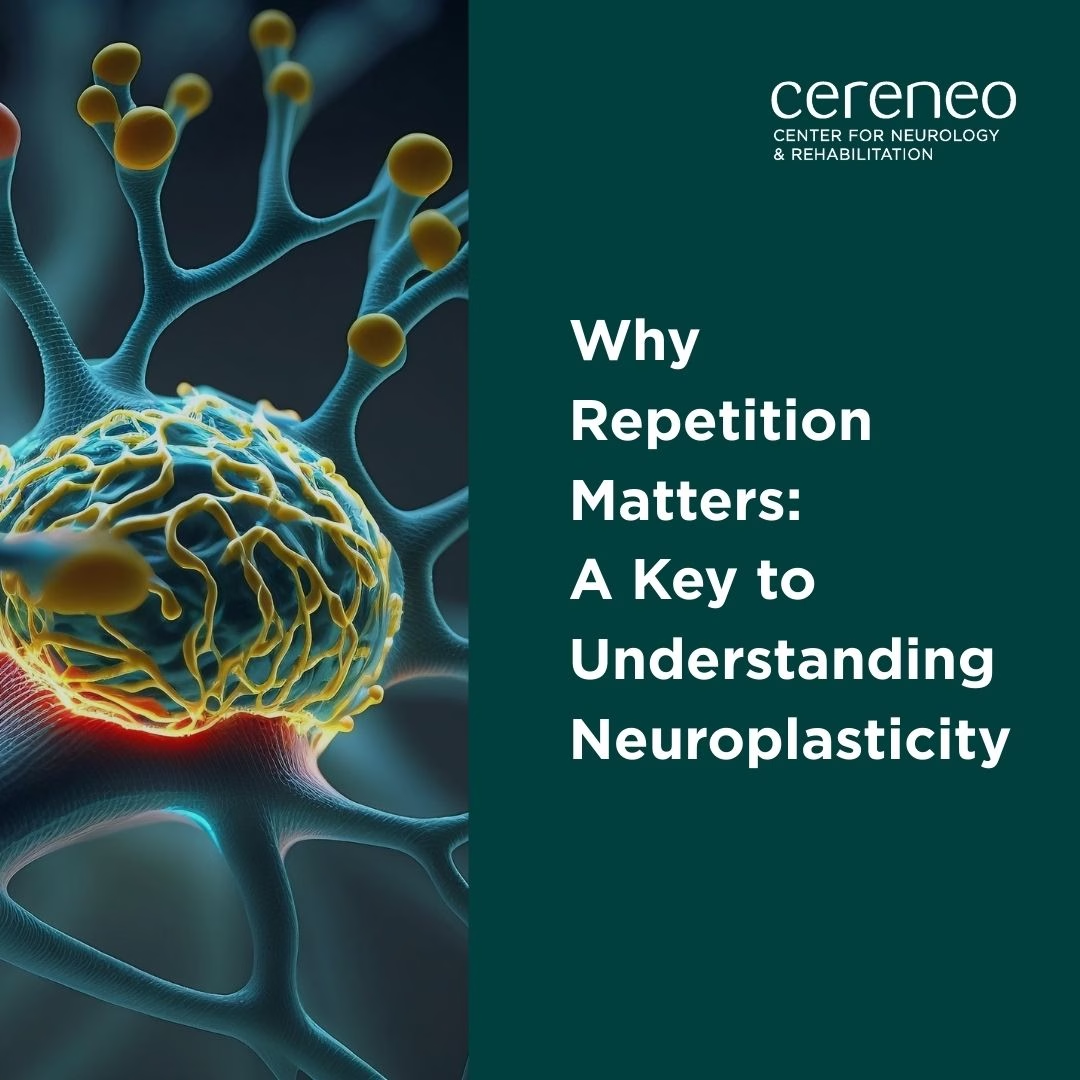
The brain’s ability to change itself and form new connections between neurons is known as neuroplasticity. This capability is especially important for people who have suffered neurological damage – for example, from a stroke, brain injury, or neurodegenerative diseases such as Parkinson’s or multiple sclerosis.
Neuroplasticity means the brain can adapt to changing conditions. When certain brain areas are no longer functioning as they used to due to damage, other regions can take over some of their tasks. This happens by forming new neural networks or strengthening existing connections. This remodeling is not only fascinating – it forms the foundation of any successful rehabilitation.
The brain learns through repetition and experience. Every time an action is repeated, the connections between the involved neurons are strengthened – a process known as long-term potentiation. You can compare it to a trail in the forest: the more it’s walked, the clearer and easier it becomes to use. If left unused, it becomes overgrown again.
At cereneo, we work with personalized, intensive therapy plans that rely on repetition, targeted training, and motivation. Our goal is to tap into the full potential of neuroplasticity.
Our interdisciplinary team at cereneo closely coordinates all measures and accompanies each patient individually and continuously through the rehabilitation process.
A method that is gaining recognition for supporting neuroplasticity is vagus nerve stimulation (VNS). The vagus nerve is the longest cranial nerve and influences, among other things, heart rate, breathing, digestion – and crucial brain areas involved in learning and attention.
Electrical or manual stimulation of the vagus nerve can trigger the release of neurotransmitters such as acetylcholine and noradrenaline. These chemical messengers play a key role in modulating attention, learning, and memory – and make the brain more receptive to therapeutic stimuli.
Studies have shown that VNS combined with training can enhance rehabilitation outcomes. Especially in cases of motor or speech deficits, patients often make faster progress when VNS is used purposefully. In practice, this might involve a patient performing a specific movement while simultaneously receiving gentle vagus nerve stimulation – to “prime” the brain and strengthen the connection.
As part of a holistic therapy concept, VNS is a promising addition to classical approaches and is increasingly being integrated into rehabilitation centers.
Promoting neuroplasticity is a continuous process. It takes patience, motivation, and persistence to achieve progress. Not every day brings visible results – but every step of practice is a signal to the brain: “This skill is important – strengthen the connections!”
Even small improvements are major successes on the path to more quality of life and independence. The realization that the brain remains capable of learning – even after serious illness – is an enormous source of hope.
Neuroplasticity is the foundation of all neurological rehabilitation. Repetition is the key to creating and solidifying new connections in the brain. Supportive methods such as vagus nerve stimulation can further enhance this process. With an individualized, multimodal therapy approach, remarkable progress can be achieved – and at cereneo, we’re here to support you every step of the way.